
The Q1 Financial Checkup Every Small Business Should Do

Three months in, you have real data — not projections, not hope. Here’s how to use it. A client came to us last April convinced their business was doing fine. Revenue “seemed okay,” expenses felt normal, and they hadn’t looked at the books since January. By the time we pulled everything together, they’d missed a window to catch a cash shortfall early, one that a simple Q1 review would have flagged in February. This is more common than most business owners realize. The first quarter ends quietly, and most people are too busy running the business to stop and look at how it’s actually doing. But that first look , when you’ve got three full months of real numbers, is one of the most valuable financial moments of the year. Here are the five areas worth reviewing right now: Revenue: Is the year actually starting the way you planned? Pull your Q1 revenue and put it next to your original forecast. Not to judge yourself — but to understand what’s true. Is revenue tracking ahead, behind, or roughly on pace? Are sales growing month over month, or did January outperform and March slow down? If you’re behind, March is the right time to adjust, not June. A small gap in Q1 is manageable. The same gap ignored through Q2 is a problem. Expenses: What’s actually eating into your margin? Expenses have a way of expanding without anyone noticing. The first quarter tends to pile on costs: annual renewals, new hires, early-year vendor price increases. Scan through your spending by category and ask: Does this match what I budgeted? Is anything higher than expected? Common things we spot in Q1 reviews: software subscriptions nobody’s using, marketing spend that quietly doubled, payroll costs higher than projected because of timing. None of these are emergencies on their own, but catching them now means you have nine months to adjust. Cash Flow: Profit doesn’t pay the bills, cash does A profitable business can still run into serious trouble if cash isn’t moving through fast enough. Look at your current bank balances, what’s outstanding from customers, and any large payments coming up in Q2. If you’re noticing that customers are paying slower than last year, that’s worth addressing now. Tightening up your invoicing process or revisiting payment terms in March has a compounding benefit for the rest of the year. Wait until fall and you’re just managing symptoms. Your Balance Sheet: The story behind the story Most business owners live in their P&L and barely glance at the balance sheet. That’s understandable, but it means they’re often missing what’s building underneath. Take a few minutes to look at your loan balances, inventory levels, and overall equity. Is your financial position getting stronger or weaker compared to where you were at the start of the year? These numbers give you a clearer picture of the business’s actual health, not just its recent activity. Your Forecast: Update it while it still mattersYour January projections were based on assumptions. Now you have data. Use it.Updating your forecast in March, by adjusting for what Q1 actually showed, helps you make better decisions about hiring, spending, and growth for the rest of the year. It also means you’re not operating on stale assumptions when Q3 planning comes around. Why This Is Worth 30 Minutes of Your Time A Q1 checkup isn’t about having perfect numbers or catching every problem. It’s about staying oriented. The businesses we work with that review their financials regularly, even briefly, respond faster, plan better, and rarely get blindsided at year-end. The businesses that wait until December to look at January almost always find something they wish they’d caught earlier. If you want help running through your Q1 numbers, or if your books aren’t quite in shape for a review like t, that’s exactly what we do. Reach out and we’ll set up a time to take a look together.
Overcoming Common Myths About Finance and Accounting Outsourcing
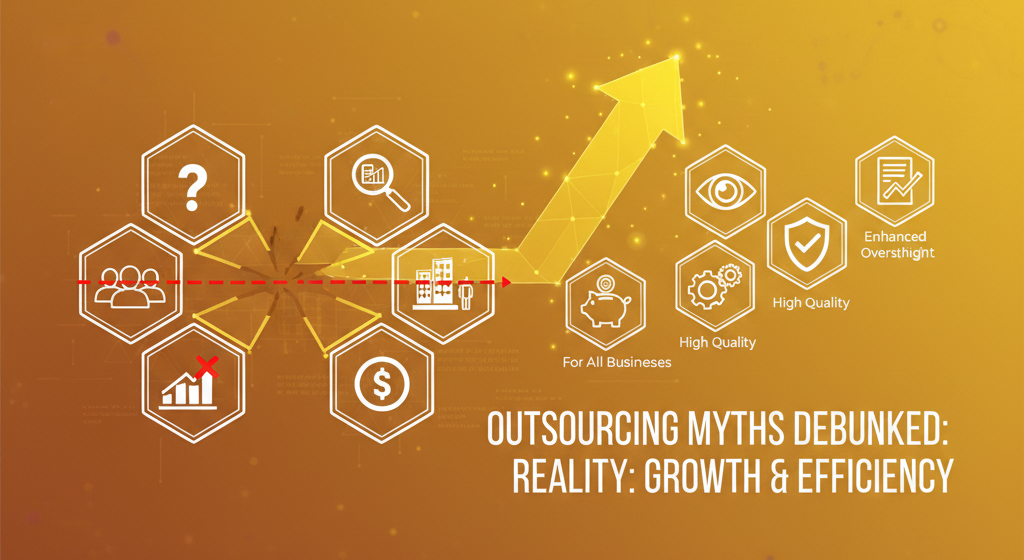
In today’s business world, outsourcing a company’s finance and accounting department has become one of the most advantageous moves. However, despite this, there are still several myths and misconceptions about outsourcing. This blog aims to debunk these myths and shed light as to why you should consider outsourcing as well. Myth 1: Outsourcing Means Losing Control Over Financial Operations Reality: Enhanced Oversight and Control Contrary to the belief that outsourcing leads to a loss of control, it provides enhanced oversight and transparency. Reputable outsourcing companies utilize advanced technologies and reporting systems that offer real-time access to financial data. This ensures that businesses can monitor their financial operations closely and make informed decisions based on accurate, up-to-date information. Myth 2: Outsourcing is Only for Large Corporations Reality: Benefits for Businesses of All Sizes While large corporations have long been in the outsourcing game, small and medium-sized enterprises (SMEs) can equally benefit from it, if not more. Outsourcing finance and accounting services allows companies, most especially SMEs, to access expertise and technology that may otherwise be too costly. Outsourcing gives smaller businesses a chance to be on the same playing field with larger companies. Myth 3: Outsourcing Leads to Poor Quality and Errors Reality: High Standards and Accuracy Choosing the right outsourcing company could mean reports that are more accurate and of higher standard. Finance BPOs employ skilled professionals and utilize robust quality control processes to ensure high standards are maintained. Additionally, outsourcing firms often have specialized teams with deep expertise in various financial functions, leading to improved accuracy and reliability. These professionals are experts in their field and have gained lots of experience from different clients. Myth 4: Outsourcing is Too Expensive Reality: Cost-Effective Solution Outsourcing is often perceived as an expensive option, but it can lead to significant cost savings. By outsourcing, companies can reduce expenses related to hiring, training, and maintaining in-house staff. Additionally, outsourcing eliminates the need for investing in expensive technology and infrastructure, further lowering operational costs. Myth 5: Outsourcing Hinders Business Flexibility Reality: Increased Flexibility and Scalability Outsourcing provides businesses with greater flexibility and scalability. Since you do not need to have a full-time accounting and finance department, you can easily adjust the level of services based on your needs, whether it’s scaling up during peak periods or scaling down during slower times. This flexibility allows businesses to respond quickly to changing market conditions and demands. Conclusion Finance and accounting outsourcing is a powerful tool that offers numerous benefits, including improved control, cost savings, enhanced quality, robust data security, and increased flexibility. By debunking these common myths, businesses can better understand the true value of outsourcing and leverage it to drive growth and efficiency in their financial operations. Embracing outsourcing with a clear understanding of its advantages can position companies for long-term success in an increasingly competitive market.